 Virtual Tour




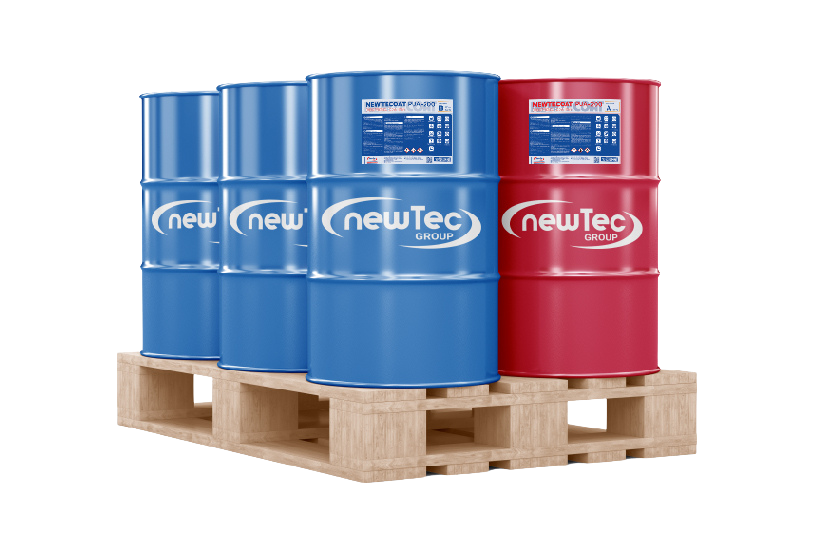


If you’re wondering, “can polyurethane be sprayed?” the answer is a resounding yes! Spraying polyurethane can give your projects a smooth and professional finish, but there’s a lot to consider before diving in. From understanding the different types of polyurethane to mastering the spraying technique, this guide will walk you through everything you need to know to achieve perfect results.
Key Takeaways
- Polyurethane can be effectively sprayed for a smooth finish.
- Water-based and oil-based polyurethanes have different characteristics that affect application.
- Proper equipment and techniques are essential for a successful spraying process.
- Environmental factors like humidity can impact the quality of the finish.
- Professional spraying can enhance both the look and durability of your projects.
Understanding Polyurethane Types and Their Applicability
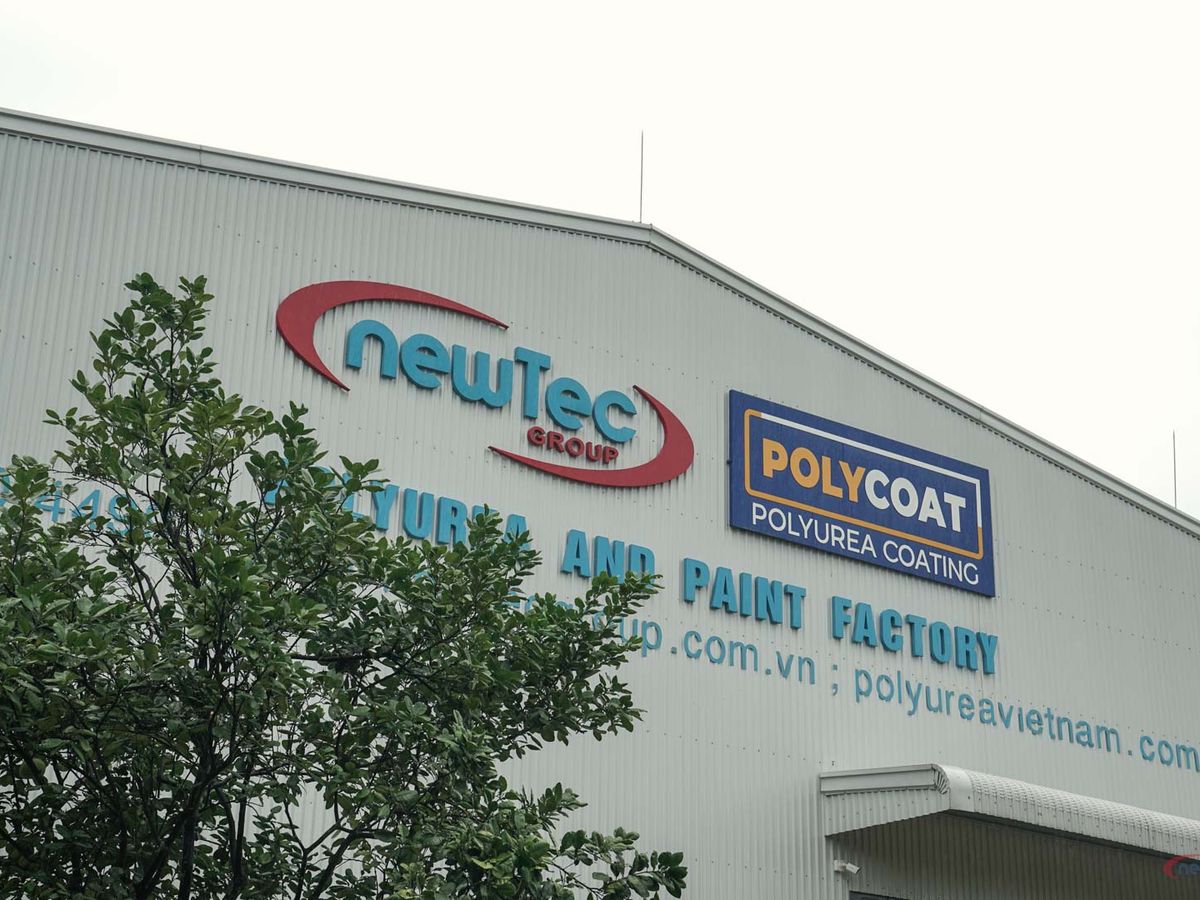
Polyurethane is a really useful material. You see it everywhere, from coatings that protect surfaces to the foam in your furniture. It’s a polymer, which basically means it’s made of lots of little molecules all linked together. What’s cool is that you can tweak those molecules to make polyurethane do all sorts of different things. In construction, it’s becoming a big deal. People are using it for insulation, waterproofing, and even as a structural material in some cases. It’s helping to make buildings more energy-efficient and longer-lasting. Speaking of construction, there’s this company called NewTec Group in Vietnam. They make and export polyurethane products, and they’re looking for partners in the construction industry and distributors. If you’re in that business, might be worth checking them out.
Water-Based Polyurethane Characteristics
Water-based polyurethane is the kind you often see recommended for indoor projects. It’s got a couple of big advantages: it dries fast and doesn’t have as many strong fumes. That’s because it uses water as a solvent instead of harsh chemicals. Because it’s thinner, it usually goes on smoother, which means fewer drips and runs. One thing to watch out for is humidity. If it’s too humid, it can mess with the drying process.
Here’s a quick rundown:
- Lower odor
- Faster drying time
- Easier cleanup (just use water!)
- Less yellowing over time
Oil-Based Polyurethane Characteristics
Oil-based polyurethane is the old-school option. It gives a richer, warmer look, almost amber-colored. It’s also known for being super durable. The downside? It takes longer to dry, and the fumes are pretty strong. It’s also thicker, so it can be trickier to spray evenly. You might need to thin it out with mineral spirits. Make sure you mix it really well to keep the color consistent. If you’re looking for spray foam & coating, this might be a good option.
Here’s what you need to know:
- High durability
- Warm, amber finish
- Longer drying time
- Strong odor
Oil-based polyurethane is great for surfaces that need extra protection, like floors or kitchen cabinets. Just make sure you have good ventilation and plenty of time for it to dry.
Comparative Analysis of Polyurethane Types
Choosing between water-based and oil-based polyurethane really depends on what you’re working on and what you want the final result to look like. Water-based is good for quick, easy projects where you don’t want strong smells. Oil-based is better for things that need to stand up to a lot of wear and tear, and where you want that classic, warm look. Both offer high durability, but they get there in different ways.
Here’s a table to help you compare:
| Feature | Water-Based Polyurethane | Oil-Based Polyurethane |
|---|---|---|
| Durability | Good | Excellent |
| Drying Time | Fast | Slow |
| Odor | Low | High |
| Finish | Clear | Amber |
| Cleanup | Water | Mineral Spirits |
| VOCs | Low | High |
Essential Equipment for Spraying Polyurethane
Spraying polyurethane can give you a super smooth, professional-looking finish. But, you can’t just grab any old sprayer and expect great results. Getting the right equipment is key. It’s like cooking – you need the right tools to make a good meal. Let’s talk about what you’ll need.
Types of Sprayers Suitable for Polyurethane
Okay, so not all sprayers are created equal. For polyurethane, you’ve got a few options, but some are definitely better than others. High Volume Low Pressure (HVLP) sprayers are usually the top choice. They give you a lot of control and reduce overspray. Airless sprayers can also work, but they might be a bit trickier to manage, especially if you’re new to this. Then there are aerosol spray cans, which are fine for small projects but not ideal for larger surfaces. Here’s a quick rundown:
- HVLP Sprayers: Great control, less overspray, ideal for fine finishes.
- Airless Sprayers: Can handle thicker materials, but require more skill.
- Aerosol Cans: Convenient for small touch-ups, not for large areas.
Choosing the right sprayer really depends on the size of your project and your experience level. If you’re doing a big job, an HVLP or airless sprayer is the way to go. For small stuff, an aerosol can might be okay, but don’t expect the same level of finish.
Nozzle Selection and Settings
Alright, so you’ve got your sprayer. Now, let’s talk nozzles. The nozzle size affects how much material comes out and the pattern of the spray. For polyurethane, you generally want a smaller nozzle to get a nice, even coat. You’ll also need to adjust the settings on your sprayer to control the flow rate and pressure. Too much pressure, and you’ll get runs and drips. Not enough, and the finish will be rough. It’s all about finding that sweet spot. Here’s what to keep in mind:
- Nozzle Size: Smaller is better for polyurethane (usually around 1.4-1.8mm for HVLP).
- Flow Rate: Adjust to prevent runs and drips.
- Pressure: Too high causes overspray; too low causes a rough finish.
Protective Gear and Safety Equipment
Okay, this is super important. Polyurethane can be nasty stuff, so you need to protect yourself. We’re talking about a respirator to avoid breathing in fumes, gloves to keep the stuff off your skin, and eye protection to prevent splashes. Also, make sure you’re working in a well-ventilated area. Seriously, don’t skip this step. Here’s a checklist:
- Respirator: Protects your lungs from harmful fumes.
- Gloves: Keeps polyurethane off your skin.
- Eye Protection: Prevents splashes from getting in your eyes.
- Ventilation: Ensures fumes don’t build up in your workspace.
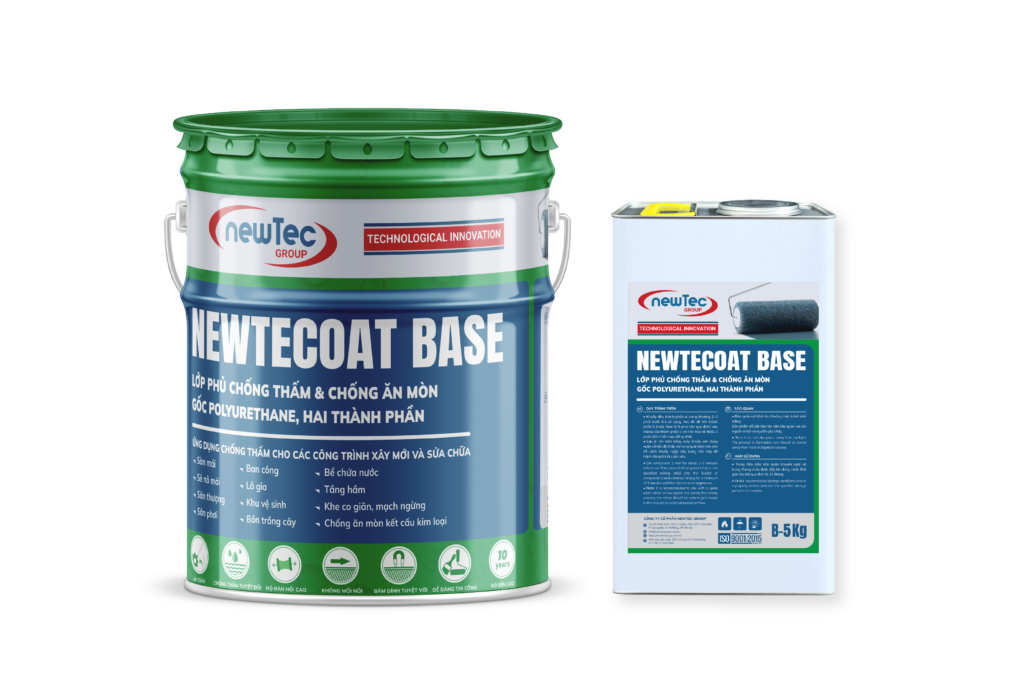
Polyurethane is used extensively in construction for spray foam insulation, coatings, and adhesives, enhancing building durability and energy efficiency. Innovations in polyurethane materials are paving the way for lighter, stronger, and more sustainable construction materials. NewTec Group, a leading manufacturer and exporter in Vietnam, specializes in high-quality polyurethane solutions. We are actively seeking partners among construction companies and distributors to expand our reach and impact in the industry. Our NEWTECOAT PU is a durable, polyurethane-based waterproofing system with high elongation, tensile strength, and strong adhesion to concrete, brick, steel, and other surfaces.
Preparation Steps for Successful Polyurethane Application
Polyurethane is a versatile material revolutionizing construction. Its durability and resistance make it ideal for coatings, adhesives, and insulation. In construction, polyurethane enhances structural integrity, provides excellent thermal insulation, and offers superior waterproofing capabilities. Innovations in polyurethane are leading to lighter, stronger, and more sustainable building materials. Companies like NewTec Group, a manufacturer and exporter in Vietnam, are at the forefront, seeking partners in construction and distribution to expand the use of these advanced materials.
Surface Preparation Techniques
Before you even think about spraying, getting the surface ready is key. This isn’t just a quick wipe-down; it’s about creating the perfect foundation for the polyurethane to bond to. Think of it like prepping a canvas before painting – the smoother and cleaner it is, the better the final result.
- Cleaning: Start by removing any dirt, dust, grease, or wax. Use a suitable cleaner and make sure the surface is completely dry before moving on.
- Sanding: Sanding creates a slightly rough surface, giving the polyurethane something to grip onto. Use fine-grit sandpaper and sand in the direction of the grain.
- Repairing: Fill any holes or imperfections with wood filler and sand smooth once dry. Imperfections can cause unevenness in the final finish.
Proper surface preparation is non-negotiable. It directly impacts the adhesion, appearance, and longevity of the polyurethane finish. Skipping this step is like building a house on a shaky foundation – it might look okay at first, but it won’t last.
Mixing and Thinning Polyurethane
Mixing polyurethane properly is more than just stirring it around. It’s about ensuring a consistent mixture that will spray evenly and dry smoothly. Thinning, when done right, can improve the flow and prevent issues like orange peel texture. Always refer to the manufacturer’s instructions for specific guidance on mixing and thinning.
- Stir, Don’t Shake: Shaking introduces air bubbles, which can ruin your finish. Stir gently and thoroughly.
- Thinning (If Necessary): Use the recommended thinner (usually mineral spirits for oil-based and water for water-based). Add small amounts at a time until you reach the desired consistency.
- Strain the Polyurethane: Use a fine-mesh strainer to remove any lumps or particles before pouring it into your sprayer. This prevents clogs and ensures a smooth spray.
Environmental Considerations Before Spraying
The environment in which you spray can make or break your project. Temperature, humidity, and airflow all play a role in how the polyurethane dries and cures. Ignoring these factors can lead to problems like clouding, slow drying, or even a sticky finish. Controlling humidity levels is very important.
- Temperature: Ideal temperature is usually between 65°F and 75°F (18°C and 24°C). Avoid spraying in extreme temperatures.
- Humidity: High humidity can slow down drying and cause clouding. Aim for humidity levels below 70%.
- Ventilation: Ensure good ventilation to remove fumes, but avoid strong drafts that can carry dust and debris. A well-ventilated space is key for safe polyurethane application.
Techniques for Achieving a Flawless Finish
Spraying polyurethane can give you a really nice, smooth finish, but it’s not quite as simple as just pointing and spraying. You need to get the technique right to avoid problems like drips or a rough texture. It’s about finding that sweet spot where the finish looks professional and lasts a long time. Let’s get into the details.
Layering Techniques for Optimal Coverage
Forget the idea of one thick coat – that’s a recipe for disaster. Multiple thin layers are the way to go. This lets each layer dry properly, building up a strong and even finish. Think of it like applying makeup; you wouldn’t just slap on a ton of foundation at once, right? Same principle here.
- Apply thin, even coats.
- Allow each coat to dry completely before applying the next.
- Lightly sand between coats with fine-grit sandpaper (320 grit or higher) for an ultra-smooth finish.
Thin coats prevent drips and runs, and they also allow the polyurethane to cure properly. This results in a much more durable and better-looking finish in the long run.
Maintaining Consistent Spraying Distance
Distance matters. Too close, and you’ll get too much material in one spot, leading to runs. Too far, and the spray might dry before it even hits the surface, leaving a rough texture. You want to aim for that Goldilocks zone – not too close, not too far. Usually, around 6 to 12 inches is a good starting point, but check the manufacturer’s instructions for your specific product. Consistent spraying distance is key.
Controlling Spray Patterns and Pressure
Think of your sprayer like a paintbrush – you need to control it to get the effect you want. Adjust the spray pattern to match the size and shape of the surface you’re working on. Overlap your passes slightly to avoid streaks. And don’t crank up the pressure too high; that can lead to overspray and a messy finish. A lower, more controlled pressure is usually better.
- Adjust the spray pattern (fan width) to suit the surface.
- Overlap each pass by about 50%.
- Use a consistent speed to avoid uneven coverage.
Polyurethane is used extensively in construction for its protective and aesthetic qualities. It’s used in coatings, adhesives, and insulation, contributing to more durable and energy-efficient buildings. Companies like NewTec Group in Vietnam are innovating in this space, manufacturing and exporting polyurethane products. They are looking for partners in construction companies and distributors to expand their reach. NewTec Group offers NEWTECOAT PU, a durable, polyurethane-based waterproofing system with high elongation, tensile strength, and strong adhesion to concrete, brick, steel, and other surfaces. They also offer NEWTECOAT PUA coatings, which are high-quality polyurea waterproofing solutions applied with high-pressure, multi-component equipment, ideal for demanding construction projects.
Common Challenges When Spraying Polyurethane
Spraying polyurethane can give you a super smooth, pro-level finish. But, it’s not always easy. There are some common problems that pop up, and knowing about them beforehand can save you a lot of headaches.
Dealing with Viscosity Issues
Polyurethane can be thick, and that’s where problems start. If it’s too thick, it can drip or sag, leaving you with an uneven surface. Getting the right consistency is key.
- Thinning the polyurethane might be needed, but you have to use the right solvent and mix it properly.
- Temperature matters too. Cold polyurethane is thicker, so warming it up a bit can help.
- Always test the viscosity before you start spraying. A simple test with a viscosity cup can tell you if it’s ready to go.
It’s important to remember that different types of polyurethane have different viscosities. What works for one might not work for another. Always check the manufacturer’s recommendations.
Managing Drying Times and Conditions
Drying times can be a real pain, especially with oil-based polyurethanes. They take longer to dry, which means more time for dust and other stuff to settle on your finish. Also, humidity can mess with the drying process. You might need to control the environment to get it right. Using a paint sprayer can help with even application, but it won’t solve drying time issues.
- Make sure your spraying area is clean and dust-free.
- Use a drying accelerator if you need to speed things up.
- Control the humidity with a dehumidifier or air conditioner.
Health and Safety Concerns During Application
Polyurethane has VOCs (volatile organic compounds), and those aren’t good to breathe in. You need to protect yourself with the right gear and make sure you have good ventilation. It’s not just about your health; fumes can also affect the finish. Always wear a protective gear when spraying.
- Wear a respirator mask to avoid breathing in VOCs.
- Use goggles to protect your eyes.
- Make sure your workspace is well-ventilated.
Polyurethane is used extensively in construction for its durability and protective qualities. It’s used in everything from coatings and adhesives to insulation and sealants. Companies like NewTec Group, a manufacturer and exporter in Vietnam, are innovating in this space. They produce NEWTECOAT PU, a polyurethane-based waterproofing system, and NEWTECOAT PUA, a polyurea waterproofing solution. NewTec Group is looking for partners in construction companies and distributors to expand their reach. Their products are ideal for demanding construction projects, offering high elongation, tensile strength, and strong adhesion to various surfaces. They also offer spray foam and coating equipment.
Post-Application Care and Maintenance
Polyurethane coatings offer great protection and a nice look, but the job isn’t done once the spraying stops. Proper post-application care is super important to make sure you get the most out of your finish. This includes everything from letting it cure right to cleaning your equipment and taking care of the finish over the long haul.
Curing Time and Conditions
Getting the curing process right is key to a durable polyurethane finish. Curing is when the polyurethane hardens and reaches its full protective potential.
- Temperature: Keep the temperature within the manufacturer’s recommended range. Usually, this is between 65°F and 75°F (18°C and 24°C). Too cold, and it’ll take forever to cure; too hot, and you might get bubbles or other problems.
- Humidity: Humidity can also mess with curing. High humidity can slow down the process, while very low humidity might cause the finish to dry too fast and crack. Aim for a humidity level between 40% and 60%.
- Air Circulation: Good airflow helps the solvents evaporate evenly, leading to a stronger, more consistent finish. But don’t overdo it – strong drafts can bring in dust and other contaminants.
It’s tempting to rush the curing process, but patience is key. Rushing it can lead to a soft, easily damaged finish. Always follow the manufacturer’s instructions for curing times, and don’t put the coated item into service until it’s fully cured.
Cleaning Equipment After Use
Cleaning your spraying equipment right after using polyurethane is a must. If you don’t, the polyurethane will harden inside, and your equipment will be ruined. Here’s how to do it:
- Solvent Selection: Use the right solvent for the type of polyurethane you used. Mineral spirits work well for oil-based polyurethanes, while water is fine for water-based ones. Check the manufacturer’s recommendations to be sure.
- Flushing the System: Flush the sprayer with the solvent until it runs clear. This gets rid of any leftover polyurethane inside the lines and nozzle.
- Disassembly and Cleaning: Take apart the sprayer and clean each part separately. Use brushes and rags to scrub off any stubborn residue. Pay close attention to the nozzle, as it’s the most likely part to get clogged.
- Proper Storage: Once everything is clean and dry, store your equipment in a safe place. This will keep it from getting damaged or contaminated before the next use. Consider paint sprayer maintenance for long term storage.
Long-Term Care for Polyurethane Finishes
Once your polyurethane finish is cured, you’ll want to keep it looking good for years to come. Here’s how:
- Regular Cleaning: Wipe down the surface regularly with a damp cloth to remove dust and dirt. For tougher stains, use a mild soap and water solution.
- Avoid Harsh Chemicals: Stay away from harsh chemicals, abrasive cleaners, and solvents, as they can damage the finish. Stick to gentle cleaning products.
- Protect from Scratches: Use felt pads under furniture legs and coasters under drinks to prevent scratches and water rings. Consider using a rust preventative coating for metal surfaces.
- Sunlight Protection: Prolonged exposure to direct sunlight can cause polyurethane to yellow or fade over time. Use curtains or blinds to protect the finish from the sun’s rays.
Polyurethane is also making waves in the construction industry. Its versatility allows for innovative applications, from durable coatings to structural components. Companies like NewTec Group, a manufacturer and exporter based in Vietnam, are at the forefront of this innovation. They are looking for partners in construction companies and distributors to expand the reach of their NEWTECOAT polyurethane waterproofing system and polyurea solutions. These materials offer high elongation, tensile strength, and strong adhesion, making them ideal for demanding construction projects. By embracing these advanced materials, the construction industry can build stronger, more durable, and more sustainable structures for the future.
Benefits of Professional Spraying Techniques
Polyurethane is pretty amazing stuff. In construction, it’s used in everything from insulation to coatings, and it’s changing how we build. It makes buildings stronger, more energy-efficient, and longer-lasting. NewTec Group, a manufacturer and exporter in Vietnam, is looking for partners in construction and distribution to bring these benefits to more projects.
Enhanced Aesthetic Appeal
Spraying polyurethane the right way can really make a difference in how things look. It gives a smooth, even finish that’s hard to get with a brush or roller.
- No brush strokes or roller marks
- Consistent sheen across the surface
- Highlights the natural beauty of the material
Think about a beautifully finished wood table. The smooth, even surface shows off the wood grain and makes it look high-end. That’s the kind of result you can get with professional spraying.
Increased Durability of Coatings
Effective spraying isn’t just about looks; it also makes the coating last longer. When polyurethane is sprayed correctly, it forms a strong, protective layer. This layer guards against wear and tear, keeping things looking good for years.
- Optimal Sprayer Settings: Adjust the sprayer’s pressure and nozzle settings to match the polyurethane’s viscosity. This prevents over-application, which can lead to cracking or peeling over time.
- Consistent Application: Use steady, overlapping strokes to ensure a uniform layer. This technique minimizes thin spots that could compromise the coating’s durability.
- Environmental Control: Spray in a controlled environment to avoid contaminants like dust or moisture, which can weaken the coating’s integrity.
Cost-Effectiveness of Proper Application
While it might seem cheaper to do it yourself, professional spraying can actually save you money in the long run. Here’s why:
- Less wasted material: Pros know how to mix and apply polyurethane efficiently, so you don’t end up throwing away a bunch of product.
- Fewer repairs: A durable, professionally applied finish means you won’t have to fix or redo the job as often.
- Time savings: Professionals can get the job done quickly and correctly, freeing up your time for other things.
Polyurethane coatings are durable and versatile, offering surface protection applications for various materials. NewTec Group’s NEWTECOAT PU is a polyurethane-based waterproofing system known for its high elongation and strong adhesion. If you’re looking for a reliable partner to supply high-quality polyurethane products, consider NewTec Group. They’re actively seeking construction companies and distributors to expand their reach. Their NEWTECOAT POLYUREA is also a great option.
Using professional spraying techniques can really make a difference in how well your projects turn out. These methods help ensure that the paint or coating goes on smoothly and evenly, which means better results and less waste. If you want to learn more about how these techniques can benefit you, visit our website for tips and expert advice!
Final Thoughts on Spraying Polyurethane
In conclusion, spraying polyurethane can be a highly effective method for achieving a smooth and professional finish on various surfaces. However, it requires careful attention to detail and a solid understanding of the materials and techniques involved. From selecting the right type of polyurethane to mastering the spraying technique, every step plays a crucial role in the outcome. Remember to prioritize safety by using protective gear and ensuring proper ventilation. With practice and patience, you can enhance your skills and achieve impressive results that showcase your craftsmanship. Whether you’re working on a small DIY project or a large construction job, the right approach to spraying polyurethane can make all the difference.
Frequently Asked Questions
Can you spray polyurethane?
Yes, you can spray polyurethane. It’s a great way to get a smooth finish on wood and other surfaces.
What equipment do I need to spray polyurethane?
You will need a spray gun, the right nozzle, and protective gear like masks and gloves.
How do I prepare the surface before spraying?
Make sure the surface is clean, dry, and sanded smooth. This helps the polyurethane stick better.
What is the best technique for spraying polyurethane?
Use steady, overlapping strokes and keep the sprayer about 6 to 12 inches from the surface.
What challenges might I face when spraying polyurethane?
Common issues include getting an uneven coat, long drying times, and health risks from fumes.
How do I take care of my polyurethane finish after spraying?
Let it cure fully, clean your tools right after use, and avoid harsh chemicals to keep the finish looking good.
 Virtual Tour


You may also be interested in
WATERPROOFING AND CORROSION PROTECTION FOR THE ENERGY INDUSTRY
1. General context: As energy infrastructure faces the challenges of time. For over a century
Jan
HOT OR COLD POLYUREA?
Polyurea is becoming a strategic coating material in infrastructure, heavy industry, and civil engineering projects due to its
Dec
NEWTEC GROUP’S MARK AT VINA COATINGS 2025
At the Vina Coatings 2025 International Exhibition , Newtec Group made a strong impression with a series of groundbreaking
Dec
NEWTEC GROUP PARTICIPATED IN VINA COATINGS FAIR HO CHI MINH CITY 2025
Newtec Group is pleased to announce that it will participate in the International Paint and Coating
Nov
NEWTEC GROUP welcomes leading experts in construction materials at VIETBUILD 2025
Newtec Group is honored to welcome leading experts in the construction materials industry at the company’s
Oct
Meritorious Artist Chi Trung experiences the number one waterproofing technology in the 21st century
On the morning of September 24, during a surprise “incognito” trip, Meritorious Artist Chi Trung,
Oct
Newtec Group participates in VietBuild Hanoi 2025 – 3rd Edition | A large-scale exhibition event of the Construction – Interior industry
Newtec Group is pleased to announce its participation in the Vietbuild Hanoi 2025 International
Sep
History and technological trends in corrosion protection in the Petroleum industry
Ultra – durable Polyurea – The material of the Present & Future (The Ultimate protective
Jul