 Virtual Tour




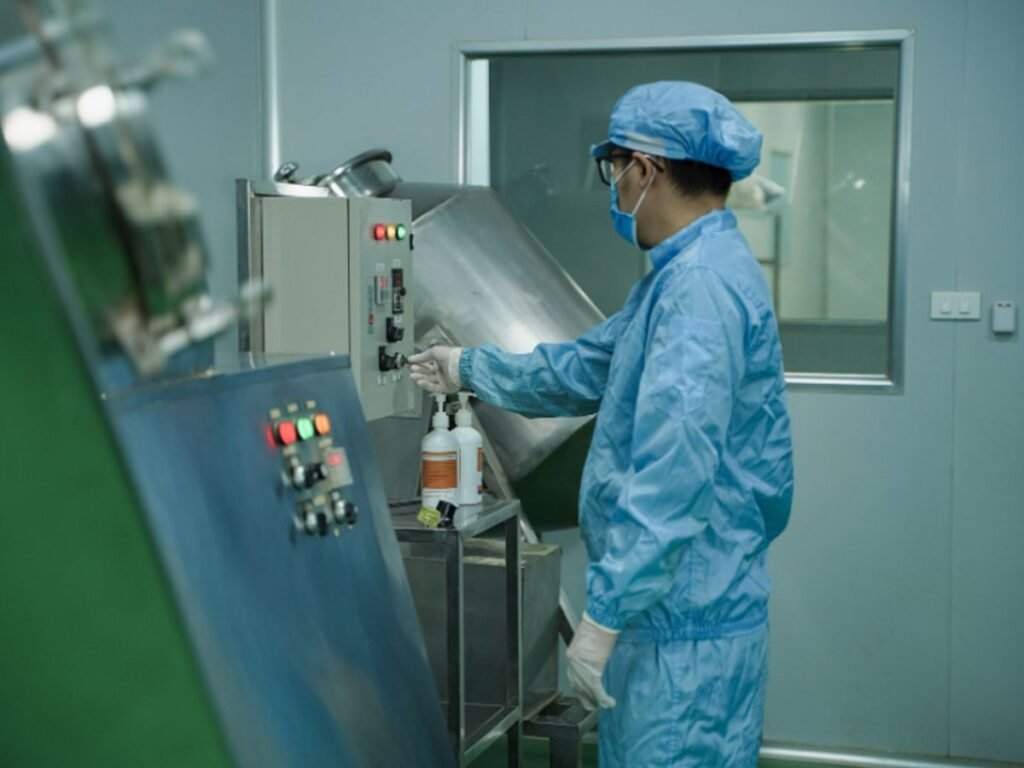
Polyurethane is a material found in countless products, from furniture to insulation. While it’s praised for its versatility, there are questions about its safety, especially regarding skin contact. In this article, we’ll explore the potential risks associated with polyurethane and whether it’s truly harmful to your skin.
Key Takeaways
- Polyurethane is widely used in various products, including furniture and insulation.
- Short-term skin contact can lead to irritation or allergic reactions.
- Long-term exposure may pose health risks, including respiratory issues.
- Proper safety measures, like using gloves and masks, are essential when handling polyurethane.
- Understanding regulations and guidelines can help ensure safe use of polyurethane.
Understanding Polyurethane and Its Uses
Definition of Polyurethane
Polyurethane is everywhere, and you might not even realize it. It’s a type of polymer, which basically means it’s made of lots of little units all linked together. These units are organic, and they’re joined by something called carbamate links. What’s cool about polyurethane is how versatile it is. You can make it super flexible, like the foam in your couch, or really rigid, like some types of insulation. It’s this flexibility that makes it so useful in tons of different products.
Common Applications in Industry
Polyurethane is a workhorse in many industries. Think about construction – it’s used for insulation, waterproofing applications, and even as a sealant. In the automotive world, you’ll find it in car seats, dashboards, and exterior parts. Furniture makers use it for foam cushions and protective coatings. It’s also big in the marine industry for boat hulls and coatings that resist water damage. The cool thing is that polyurethane can be molded into pretty much any shape, which makes it perfect for creating durable and strong parts.
Polyurethane in Everyday Products
Seriously, look around your house, and you’ll probably spot something made with polyurethane. Mattresses? Yep, often made with polyurethane foam. Shoes? Many have polyurethane soles. Appliances? Insulated with polyurethane. Even some of your clothes might contain polyurethane fibers. It’s also used in adhesives, coatings for floors, and in the toys your kids play with. Because it can be made to be both safe and durable, it’s a popular choice for products that need to withstand a lot of wear and tear. Polyurethane’s versatility makes it a key component in countless items we use daily.
Polyurethane has revolutionized construction by offering lightweight, durable, and energy-efficient materials. Its use in insulation reduces energy consumption, while its application as a coating protects structures from environmental damage. This has led to more sustainable and cost-effective building practices.
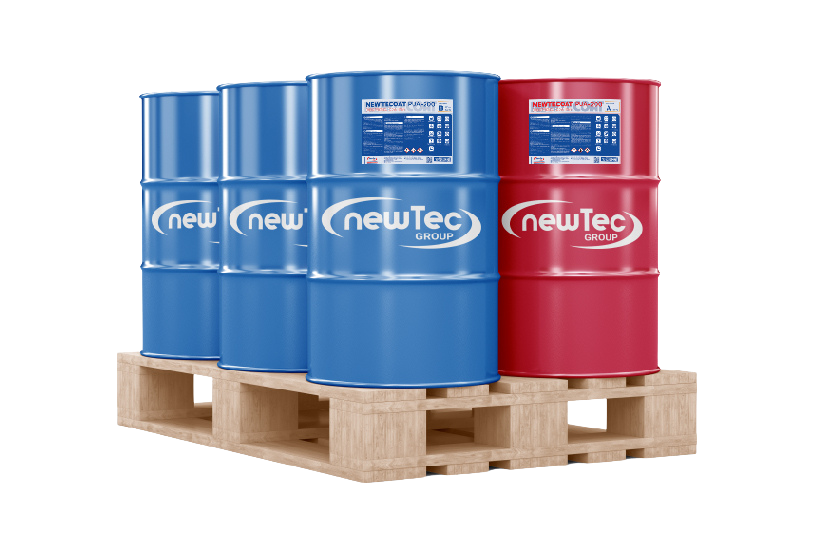
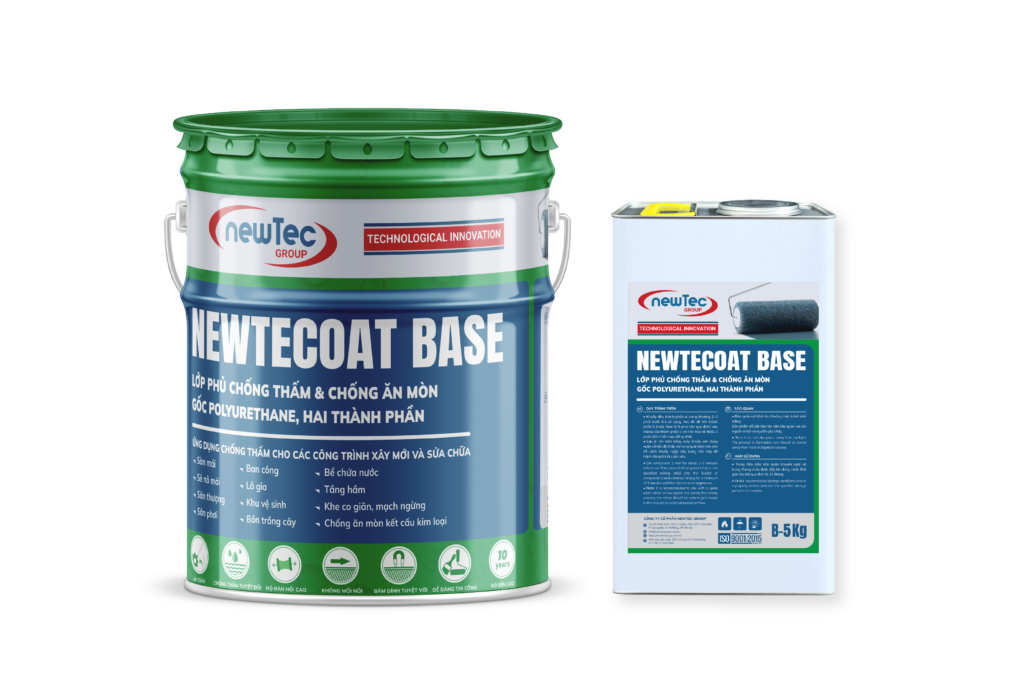
And speaking of construction, NewTec Group, a manufacturer and exporter based in Vietnam, is innovating in this space. They’re looking for partners – construction companies and distributors – to bring their NEWTECOAT polyurethane and polyurea coatings to a wider market. These coatings are designed for high-performance waterproofing and offer strong adhesion to various surfaces. If you’re in the construction business, it might be worth checking them out.
Health Risks Associated with Polyurethane
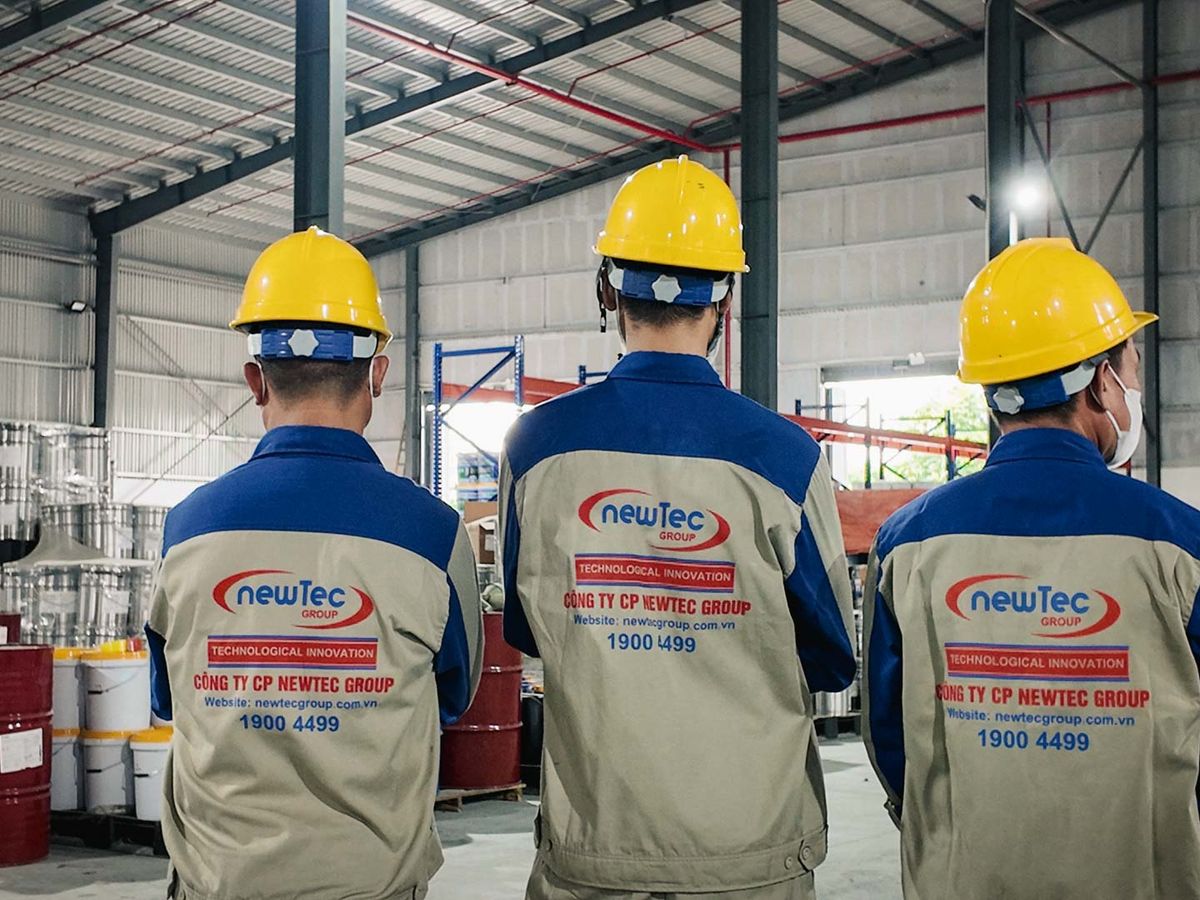
Polyurethane is a really useful material, showing up in everything from the comfy foam in your couch to the tough coatings on floors. But, like with a lot of things, there are some health risks you should know about. It’s not all sunshine and rainbows, so let’s get into the nitty-gritty.
Chemical Composition and Toxicity
Polyurethane is made by mixing diisocyanates and polyols. The real concern lies with the diisocyanates. These chemicals can cause problems, especially if you breathe them in when the polyurethane is being applied or is still curing. It’s like when you’re cooking something that smells really strong – you don’t want to be breathing that in all day, right? The specific chemical makeup of polyurethane can be risky if you don’t handle it right.
Short-Term Exposure Effects
- Respiratory Issues: Breathing in polyurethane fumes can irritate your respiratory system. Think coughing, wheezing, and just generally feeling like you can’t get a good breath. This is especially bad for people working where polyurethane is sprayed or heated.
- Skin Irritation: If liquid polyurethane gets on your skin, it can cause irritation or even chemical burns. Imagine spilling something strong on your hand and not washing it off right away – it’s not going to feel good.
- Eye Irritation: Similar to skin irritation, getting polyurethane in your eyes can cause redness, burning, and blurred vision. Always wear eye protection to avoid this.
Long-Term Health Implications
- Potential Carcinogenic Risks: There’s some evidence that long-term exposure to certain diisocyanates in polyurethane could be linked to cancer. Studies are still ongoing, but it’s always better to be safe than sorry.
- Chronic Health Conditions: Repeated exposure to polyurethane chemicals can lead to long-term health problems like asthma or other respiratory issues. If you already have breathing problems, you need to be extra careful.
- Sensitization: Over time, you can become more sensitive to polyurethane chemicals. This means that even small exposures can trigger allergic reactions or respiratory problems. It’s like developing an allergy – the more you’re exposed, the worse it can get.
It’s important to remember that the risks associated with polyurethane depend on how it’s used and what form it’s in. Solid polyurethane, like in furniture, is usually pretty safe once it’s cured. Liquid polyurethane, used in coatings and adhesives, is where you need to be extra careful. Always read the labels and follow safety guidelines.
Polyurethane is also making waves in the construction industry. Its versatility allows for innovative applications, such as waterproofing applications and insulation, improving building efficiency and durability. Companies like NewTec Group, a manufacturer and exporter in Vietnam, are at the forefront, offering advanced polyurethane solutions. They are actively seeking partners in construction and distribution to expand their reach and bring these innovations to a wider market. NewTec’s products, including NEWTECOAT PU and NEWTECOAT PUA, are designed for demanding construction projects, providing reliable and long-lasting protection.
Skin Contact and Its Effects
Immediate Reactions to Skin Exposure
So, you got some polyurethane on your skin? It happens. The immediate reaction can vary a lot depending on the type of polyurethane and how sensitive your skin is. Some people might not notice anything at all, while others could develop redness, itching, or even a rash pretty quickly. It’s kind of like how some folks can eat spicy food without batting an eye, and others are reaching for the milk after one bite. The severity often depends on whether it’s a one-time splash or prolonged contact.
Potential for Dermatitis
Repeated or prolonged skin contact with polyurethane components, especially uncured resins or isocyanates, can lead to dermatitis. This isn’t just a simple rash; it can turn into a real problem with persistent itching, inflammation, and even blistering. Think of it like constantly washing your hands with harsh soap – eventually, your skin is going to get irritated. Some people are more prone to developing dermatitis than others, so what might be a minor annoyance for one person could be a major issue for someone else. If you’re working with polyurethane regularly, it’s super important to take precautions to protect your skin.
Guidelines for Safe Handling
Okay, so how do you avoid turning your skin into a science experiment gone wrong? Here are a few simple rules to live by:
- Wear gloves: This seems obvious, but it’s worth repeating. Use gloves that are resistant to the specific chemicals you’re working with. Latex might not cut it; you might need nitrile or neoprene.
- Cover up: Long sleeves and pants can provide a barrier against splashes and spills. Think of it as wearing armor against potential skin irritants.
- Wash it off: If you do get polyurethane on your skin, wash it off immediately with soap and water. Don’t let it sit there and cause trouble.
- Barrier creams: Some people find that applying a barrier cream before working with polyurethane can help protect their skin. It’s like putting on a shield before going into battle.
Working with polyurethane in construction offers numerous advantages, including enhanced durability and insulation. NewTec Group, a leading polyurea coating manufacturer and exporter based in Vietnam, is actively seeking partners among construction companies and distributors to expand the use of these innovative materials. Polyurethane’s versatility makes it ideal for various construction applications, from waterproofing to structural reinforcement, promising a future where buildings are more resilient and energy-efficient. NewTec Group aims to drive this innovation by providing high-quality polyurethane solutions and fostering collaborations within the industry.
Polyurethane is revolutionizing construction with its versatility and durability. It’s used in everything from insulation to coatings, enhancing building performance and longevity. NewTec Group, a prominent manufacturer and exporter in Vietnam, is at the forefront of this innovation. They are actively seeking partnerships with construction companies and distributors to further expand the reach of their advanced polyurethane solutions. If you’re looking to innovate with polyurethane solutions, NewTec Group offers a range of products designed to meet the demands of modern construction projects.
Safety Measures When Using Polyurethane
Personal Protective Equipment Recommendations
When working with polyurethane, it’s important to protect yourself. I remember when I was helping my dad with a project in the garage, and he didn’t wear gloves. He ended up with some nasty skin irritation. So, learn from his mistake! Here’s what you should consider:
- Gloves: Always wear chemical-resistant gloves to prevent skin contact. Nitrile or neoprene gloves work well.
- Eye Protection: Safety glasses or goggles are a must to avoid splashes or fumes irritating your eyes. I can’t stress this enough; your eyesight is precious.
- Respirator: If you’re spraying or working in a poorly ventilated area, use a respirator to avoid breathing in harmful fumes. A simple dust mask won’t cut it.
- Protective Clothing: Wear long sleeves and pants to minimize skin exposure. An apron can also be helpful.
It’s better to be over-prepared than to risk your health. Make sure your PPE fits properly and is in good condition before starting any project. Check for tears or damage in gloves and replace them as needed. Also, remember to wash your hands thoroughly after handling polyurethane, even if you wore gloves.
Proper Ventilation Practices
Ventilation is key when working with polyurethane. Think of it like this: you wouldn’t want to be stuck in a room full of smoke, right? Same idea here. Here’s how to keep the air clear:
- Work Outdoors: If possible, do your work outside where there’s plenty of fresh air. This is the easiest way to ensure good ventilation.
- Open Windows and Doors: If you’re working indoors, open as many windows and doors as possible to create cross-ventilation.
- Use Exhaust Fans: Set up exhaust fans to pull fumes away from your work area and vent them outside. This is especially important in enclosed spaces.
- Air Purifiers: Consider using an air purifier with a filter designed to capture chemical fumes. It can help remove any lingering odors or particles.
Emergency Procedures for Exposure
Accidents happen, so it’s good to know what to do if you get exposed to polyurethane. I once spilled some on my arm, and I was so glad I knew what to do. Here’s a quick guide:
- Skin Contact: Wash the affected area immediately with soap and water. If irritation persists, seek medical attention. Skin irritation can be a real pain, so don’t ignore it.
- Eye Contact: Flush your eyes with plenty of water for at least 15 minutes. Get medical help right away.
- Inhalation: Get to fresh air immediately. If you’re having trouble breathing, call for emergency medical assistance.
- Ingestion: Do not induce vomiting. Drink plenty of water and seek medical attention immediately.
Polyurethane is making waves in the construction industry, offering innovative solutions for various applications. NewTec Group, a manufacturer and exporter based in Vietnam, is at the forefront of this trend. They specialize in high-quality polyurea waterproofing solutions, like NEWTECOAT PUA coatings, ideal for demanding construction projects. NewTec Group is actively seeking partners in construction companies and distributors to expand their reach. Their products, such as NEWTECOAT POLYURETHANE, offer durability and strong adhesion to various surfaces, making them a valuable asset in modern construction. If you’re looking to innovate with advanced materials, consider partnering with NewTec Group to bring cutting-edge polyurethane solutions to your projects.
Regulatory Standards and Guidelines
Occupational Safety and Health Administration (OSHA) Regulations
OSHA has rules about how to handle dangerous stuff, and that includes polyurethane. It’s a good idea to know these rules so you can stay safe and follow the law. Basically, OSHA wants to make sure workplaces are safe from things that can hurt you. They set limits on how much of certain chemicals you can be exposed to, and they tell you what kind of safety gear you need. For polyurethane, this might mean things like having good ventilation or wearing a respirator. Ignoring these rules can lead to fines, but more importantly, it can lead to people getting sick or hurt. So, it’s worth taking the time to understand what OSHA says about handling polyurethane safely.
Environmental Protection Agency (EPA) Guidelines
The EPA cares about the environment, so they also have rules about chemicals like polyurethane. These rules are there to help keep pollution down. The EPA looks at how chemicals affect the air, water, and soil. They might set rules about how to get rid of polyurethane waste or how to prevent it from leaking into the environment. If you’re using polyurethane, it’s important to know these rules so you don’t accidentally harm the environment. This could mean using special containers for waste or having a plan for cleaning up spills. The goal is to reduce the ecological footprint of using polyurethane.
Industry Best Practices
Besides the government rules, there are also things that companies in the polyurethane industry do to be extra safe. These are called "best practices." They might include using safer types of polyurethane or having extra training for workers. Companies often share these best practices to help everyone in the industry be safer. It’s a good idea to look into these practices, even if they’re not required by law. They can help you avoid accidents and keep your workers healthy. Plus, it shows that you care about safety, which can be good for business. For example, some companies are now using water-based polyurethanes, which are less harmful than the solvent-based ones. Staying up-to-date with industry best practices is a smart move.
Polyurethane is making waves in construction! It’s not just for coatings anymore. Think insulation that’s super efficient, adhesives that hold like crazy, and even structural components that are lightweight but strong. This stuff is changing how we build, making things faster, cheaper, and more sustainable. The future of construction materials is looking pretty bright, thanks to polyurethane.
NewTec Group, a manufacturer and exporter in Vietnam, is looking for partners in construction companies and distributors. We specialize in high-quality polyurea and polyurethane coatings, offering advanced waterproofing solutions for demanding construction projects. Our products, such as NEWTECOAT PUA and PU, provide exceptional durability, elongation, and adhesion to various surfaces including concrete and steel. If you’re interested in exploring how our products can benefit your projects, we’d love to connect!
Research and Innovations in Polyurethane Safety
Recent Studies on Polyurethane Toxicity
Recent research has focused on understanding the specific chemicals released during the production, use, and degradation of polyurethane. Studies are exploring the long-term effects of exposure to these chemicals, particularly diisocyanates, which are known respiratory irritants. Researchers are also investigating the potential for safer alternatives and methods to reduce the release of harmful substances. For example, some studies are examining the use of different catalysts and additives to minimize the formation of volatile organic compounds (VOCs) during the manufacturing process.
Development of Safer Alternatives
Scientists and engineers are actively working on developing safer alternatives to traditional polyurethane. These alternatives aim to maintain the desirable properties of polyurethane, such as flexibility, durability, and insulation capabilities, while minimizing or eliminating the use of hazardous chemicals. Some promising areas of research include bio-based polyurethanes derived from renewable resources like vegetable oils and sugars. These bio-based options can reduce the reliance on petroleum-based chemicals and offer a more sustainable approach. Other research focuses on developing new synthetic materials that mimic the properties of polyurethane without the associated health risks. These efforts are crucial for creating a future where polyurethane-based products are safer for both workers and consumers.
Future Directions in Polyurethane Research
The future of polyurethane research is geared towards creating more sustainable and safer materials. One key area is the development of closed-loop recycling processes for polyurethane, which would reduce waste and minimize the environmental impact. Another direction involves the use of nanotechnology to enhance the properties of polyurethane while reducing the amount of hazardous chemicals needed. For instance, nanoparticles can be added to improve the strength and durability of polyurethane coatings, allowing for thinner and more environmentally friendly applications. Additionally, researchers are exploring the use of advanced monitoring technologies to detect and measure the release of harmful chemicals during the production and use of polyurethane, enabling better control and mitigation strategies. These advancements promise to make polyurethane a more sustainable and safe material for a wide range of applications.
Polyurethane is increasingly important in construction, offering benefits like thermal insulation and waterproofing. Innovations are leading to more sustainable and efficient building materials. NewTec Group, a manufacturer and exporter in Vietnam, is at the forefront of this evolution. They are actively seeking partners in the construction industry and distributors to expand the reach of their advanced polyurethane solutions. Their products are designed to meet the demands of modern construction, providing durability and environmental benefits.
Polyurethane’s versatility makes it a key material in construction. Ongoing research aims to improve its safety and sustainability, focusing on reducing harmful emissions and developing eco-friendly alternatives. These efforts are essential for ensuring the long-term viability of polyurethane in building applications.
Here are some key areas of focus:
- Developing bio-based polyurethane alternatives.
- Improving recycling processes for polyurethane waste.
- Using nanotechnology to enhance material properties and reduce chemical usage.
NewTec Group offers advanced waterproofing solutions for construction projects, featuring their durable NEWTECOAT PU and NEWTECOAT PUA coatings. These systems provide high elongation, tensile strength, and strong adhesion to various surfaces, making them ideal for demanding applications.
Public Perception and Misconceptions
Common Myths About Polyurethane
There are a lot of tall tales floating around about polyurethane, and it’s time to set the record straight. One common one? That all polyurethane is incredibly toxic. While it’s true that some of the chemicals used in its production can be harmful, the finished product is generally considered safe for most applications. Another myth is that it’s not durable. Actually, polyurethane is known for its toughness and resistance to wear and tear. People also think it’s always rigid, but it can be made in flexible forms too. It’s all about the formulation.
Understanding Risk vs. Reality
It’s easy to get scared by headlines, but let’s break down the real risks of polyurethane. The danger usually comes during the manufacturing process, when workers might be exposed to harmful vapors. For the average consumer, the risk is pretty low, especially if the product is used as intended. Think about it: you’re probably sitting on a polyurethane foam cushion right now! The key is understanding the difference between potential hazards and actual risks in everyday use. For example, polyurethane coatings are often used to protect surfaces, and while the application process requires precautions, the cured coating is generally inert.
Educating Consumers on Safe Use
The best way to minimize any risk associated with polyurethane is through education. Here’s what consumers should know:
- Always read and follow the manufacturer’s instructions.
- Ensure proper ventilation when working with polyurethane products, especially during application.
- Wear appropriate personal protective equipment (PPE) like gloves and masks when necessary.
Polyurethane is a versatile material that has revolutionized many industries, including construction. In construction, polyurethane is used in insulation, adhesives, and coatings, offering benefits like thermal efficiency, durability, and design flexibility. NewTec Group, a leading manufacturer and exporter based in Vietnam, is innovating in this space. They are actively seeking partners in construction companies and distributors to expand the reach of their high-quality polyurethane products. If you’re looking for reliable polyurea coating manufacturer, consider reaching out to them at contact@newtecgroup.com.vn.
Polyurethane is constantly evolving, with researchers developing safer and more sustainable formulations. By staying informed and using products responsibly, we can all benefit from the advantages of polyurethane while minimizing potential risks.
People often have different ideas about certain topics, and sometimes those ideas are not correct. This can lead to misunderstandings and confusion. To learn more and clear up any doubts, visit our website for accurate information and helpful resources. Don’t let misconceptions hold you back!
Final Thoughts on Polyurethane and Skin Safety
In summary, while polyurethane is widely used in various applications, it does come with some health risks, particularly concerning skin contact. It’s essential to recognize that while the material itself is not inherently toxic, improper handling can lead to skin irritation or more severe reactions. For those working with polyurethane, using protective gear and following safety guidelines is crucial to minimize exposure. Whether you’re a professional in the industry or a DIY enthusiast, staying informed about the potential hazards and taking the necessary precautions can help ensure a safer experience.
Frequently Asked Questions
What is polyurethane made of?
Polyurethane is made from two main ingredients: diisocyanates and polyols. These materials combine to create a flexible or rigid substance used in many products.
Is polyurethane safe for skin contact?
Polyurethane can cause skin irritation if it comes in direct contact with your skin. It’s best to wear gloves when handling it.
Can breathing in polyurethane fumes be harmful?
Yes, inhaling fumes from polyurethane can irritate your lungs and cause breathing problems, especially in poorly ventilated areas.
What should I do if I get polyurethane on my skin?
If you get polyurethane on your skin, wash it off immediately with soap and water. If irritation continues, seek medical help.
Are there safer alternatives to polyurethane?
Yes, researchers are working on new materials that can replace polyurethane without the same health risks.
How can I safely use polyurethane products at home?
Ensure good ventilation when using polyurethane indoors, wear protective gear, and follow the manufacturer’s safety instructions.
 Virtual Tour


You may also be interested in
WATERPROOFING AND CORROSION PROTECTION FOR THE ENERGY INDUSTRY
1. General context: As energy infrastructure faces the challenges of time. For over a century
Jan
HOT OR COLD POLYUREA?
Polyurea is becoming a strategic coating material in infrastructure, heavy industry, and civil engineering projects due to its
Dec
NEWTEC GROUP’S MARK AT VINA COATINGS 2025
At the Vina Coatings 2025 International Exhibition , Newtec Group made a strong impression with a series of groundbreaking
Dec
NEWTEC GROUP PARTICIPATED IN VINA COATINGS FAIR HO CHI MINH CITY 2025
Newtec Group is pleased to announce that it will participate in the International Paint and Coating
Nov
NEWTEC GROUP welcomes leading experts in construction materials at VIETBUILD 2025
Newtec Group is honored to welcome leading experts in the construction materials industry at the company’s
Oct
Meritorious Artist Chi Trung experiences the number one waterproofing technology in the 21st century
On the morning of September 24, during a surprise “incognito” trip, Meritorious Artist Chi Trung,
Oct
Newtec Group participates in VietBuild Hanoi 2025 – 3rd Edition | A large-scale exhibition event of the Construction – Interior industry
Newtec Group is pleased to announce its participation in the Vietbuild Hanoi 2025 International
Sep
History and technological trends in corrosion protection in the Petroleum industry
Ultra – durable Polyurea – The material of the Present & Future (The Ultimate protective
Jul